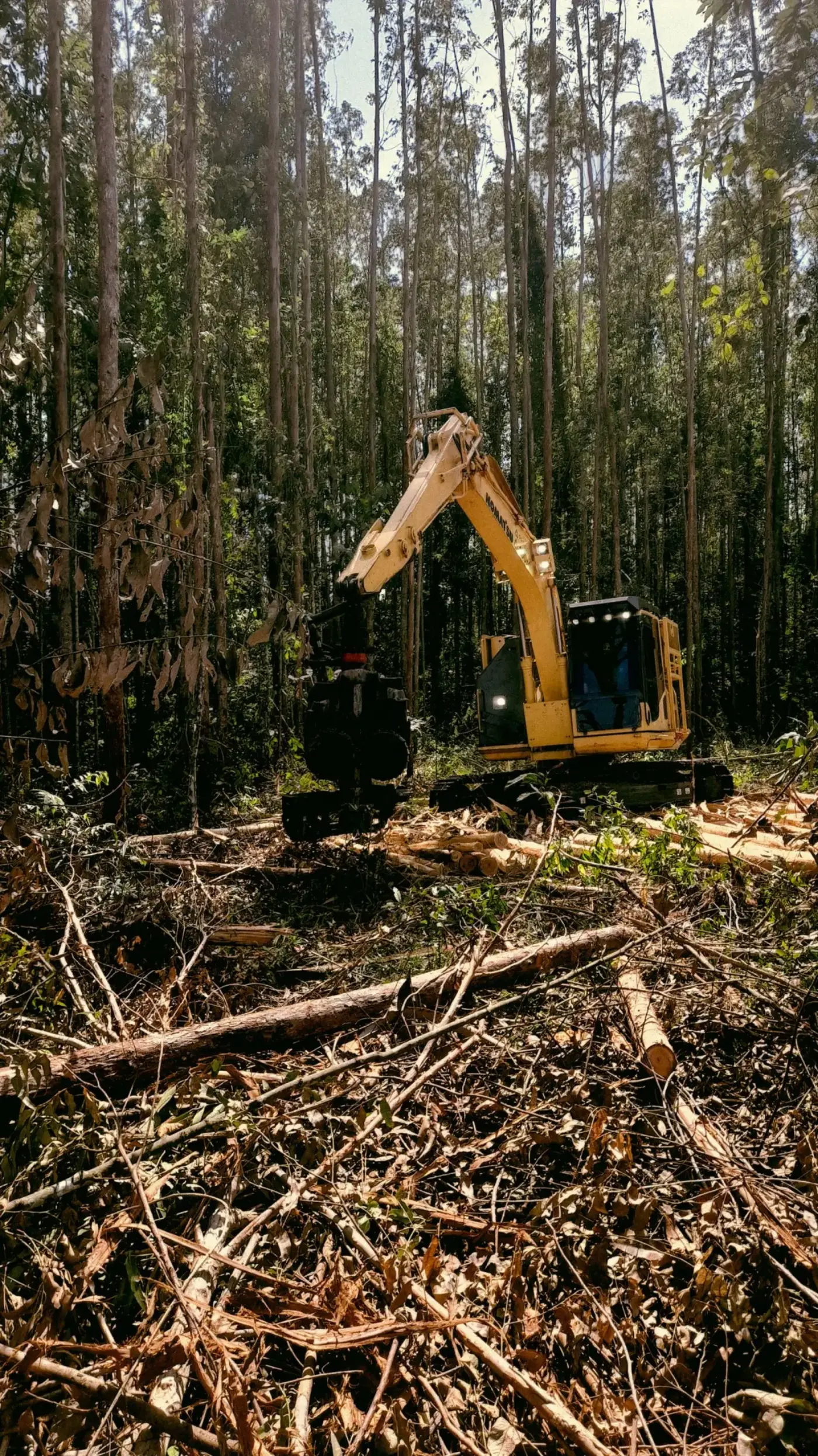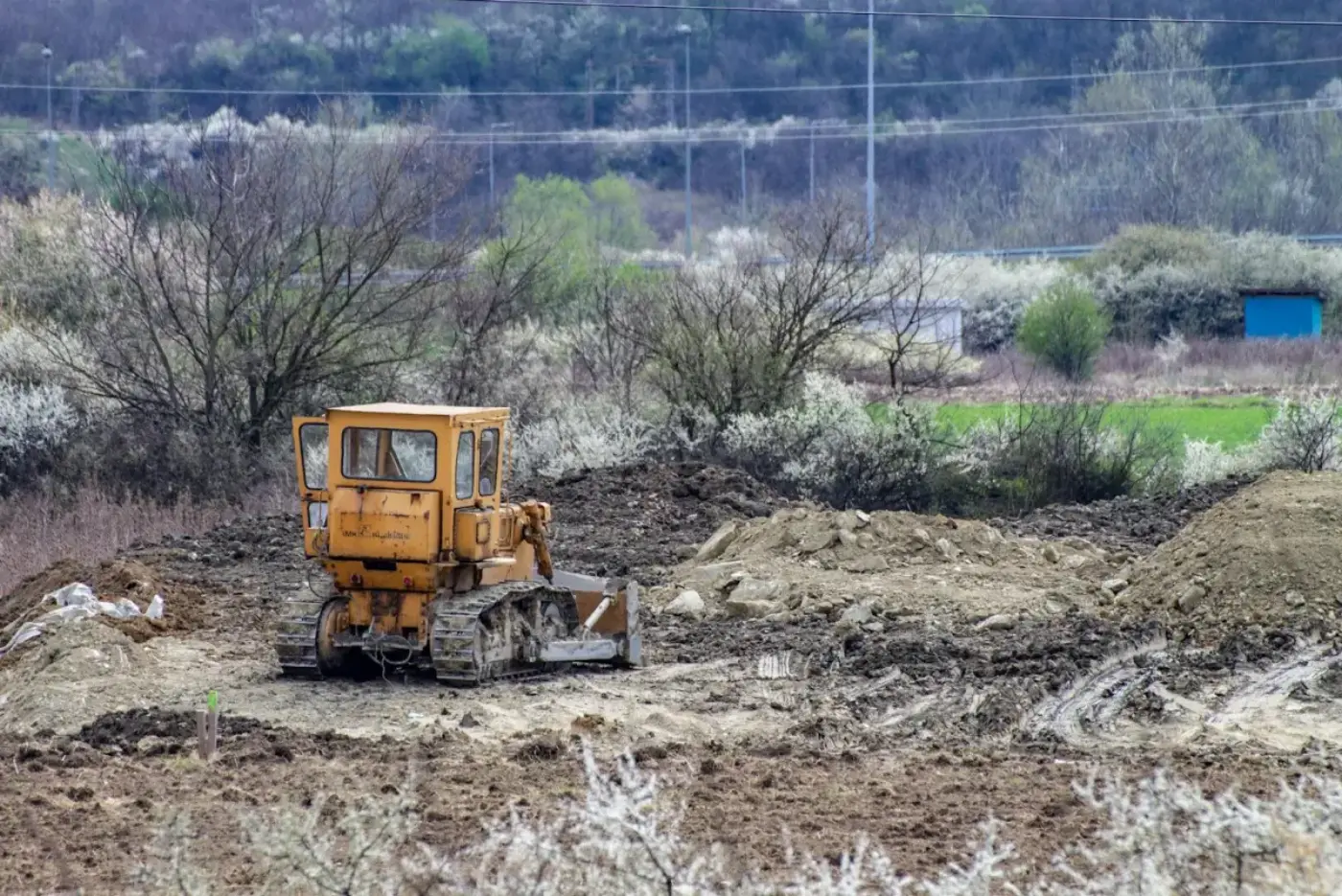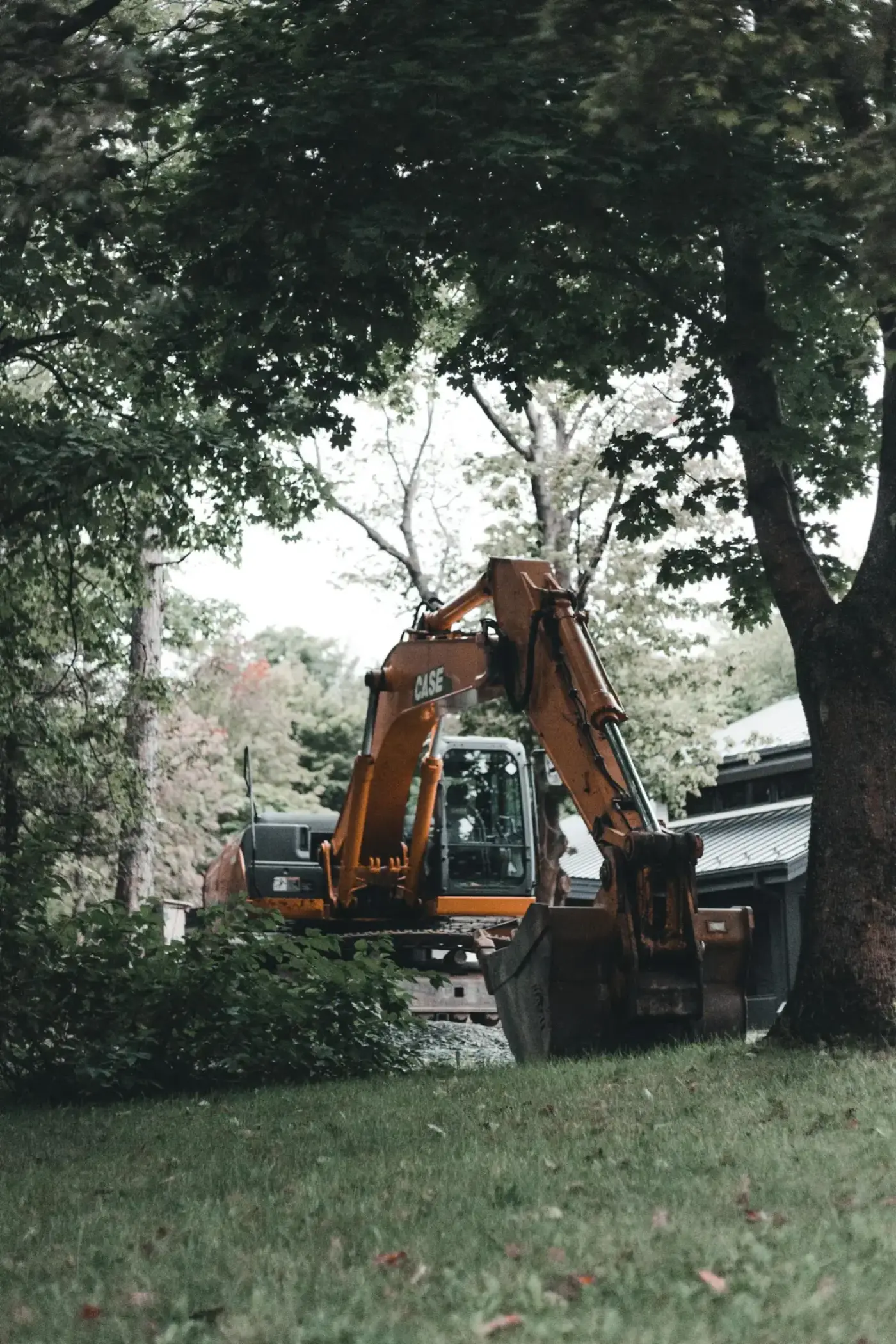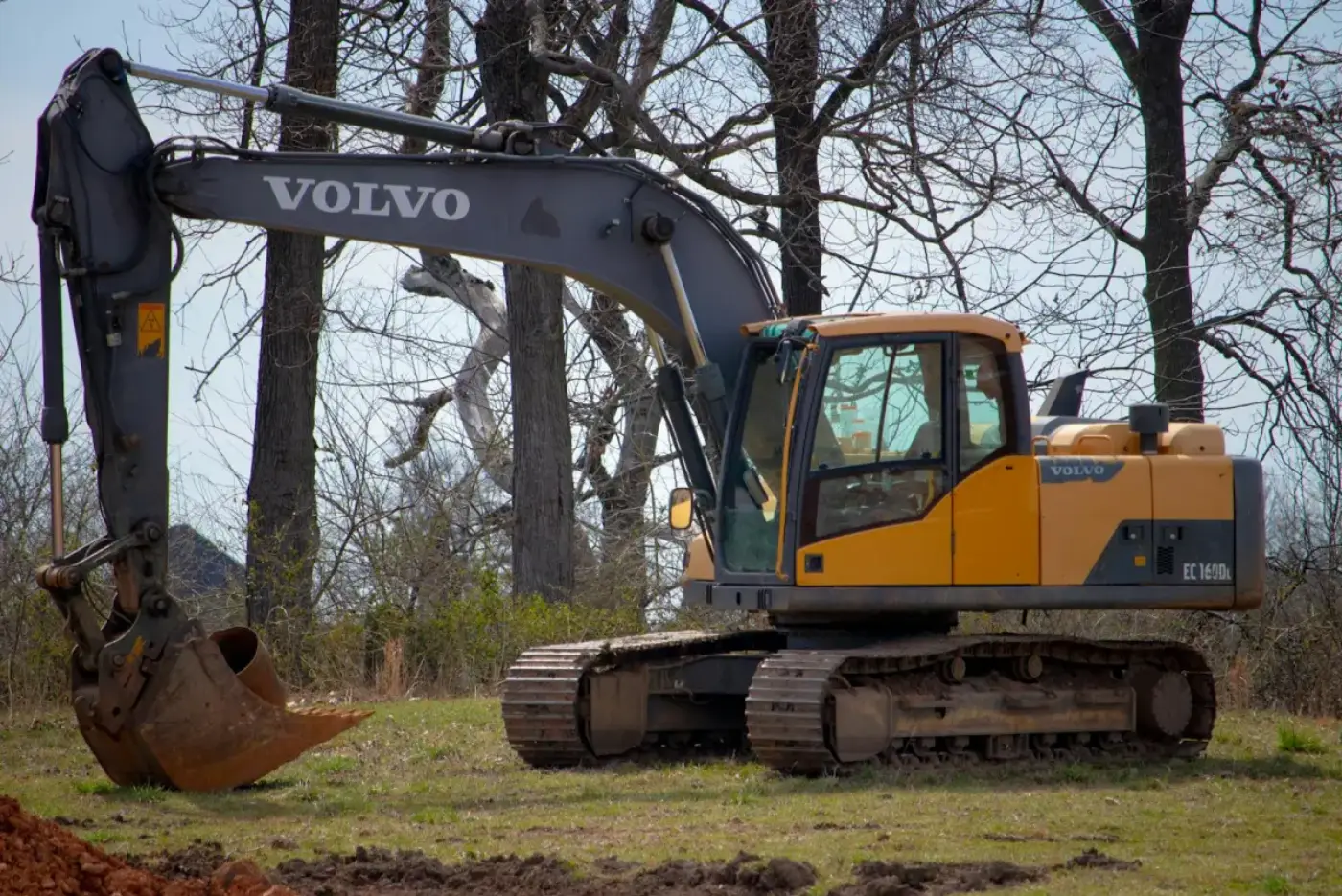
Land clearing turns overgrown parcels into usable ground — mulched, grubbed, or hybrid depending on what the land is for next. Scope, finish spec, and disposal method get settled before machines mobilize.
Reasons to schedule this service
This service may be the right fit when one of these situations sounds familiar:
- a lot is overgrown
- brush blocks the way in
- a project needs clean ground before planning
What matters for Jacksonville properties
Northeast Florida clearing reads the ground first: wet-season softness, wetland edges, protected species checks, and sandy uplands that work year-round. Palmetto-and-pine parcels mulch fast; construction pads get grubbed to bare bearing soil.
What affects the estimate
- acreage
- vegetation density
- equipment room
- debris handling
- wet or protected areas
How the work usually goes
A clearing project runs:
- Property Walk-Through: Review the lot, boundaries, brush, trees, debris, and the end use for the site.
- Vegetation And Debris Plan: Choose clearing, mulching, excavation, grading, haul-off, or debris handling based on the property.
- Equipment Staging: Stage equipment safely and protect trees, utilities, fences, structures, and areas to remain.
- Clearing Or Mulching: Clear, mulch, grade, excavate, or remove debris according to the agreed work area.
- Finish Grading And Cleanup: Review finish grade, cleanup, debris piles, and next construction or maintenance steps.